
Inspecting an East Tennessee Rental Property: Investor Guide
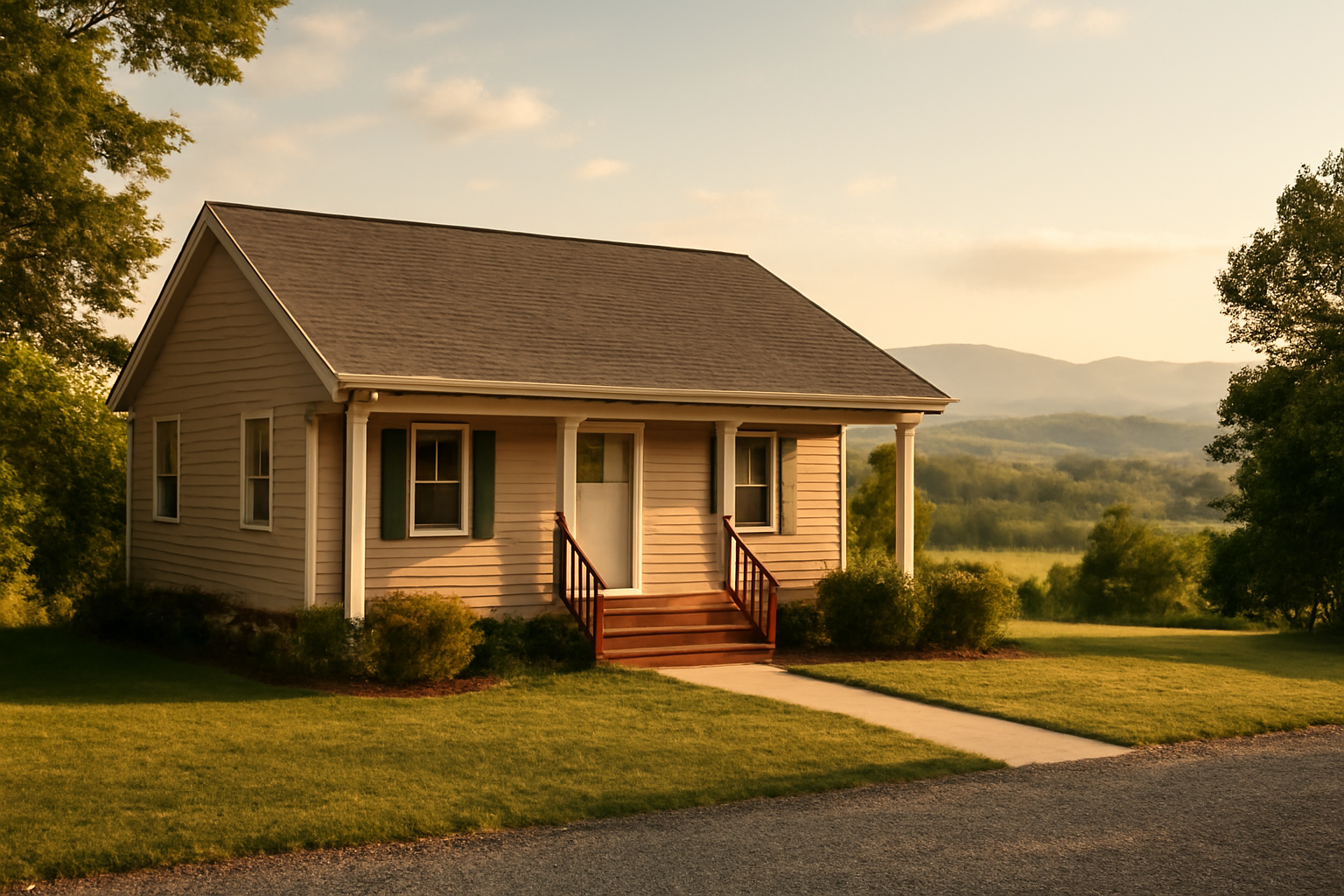
A comprehensive guide for real estate investors on inspecting rental properties across Dandridge and the Lakeway region, from crawlspaces to septic systems.
Strategic Property Inspections for East Tennessee Rentals
Acquiring a residential rental property requires a different evaluation lens than purchasing a primary residence. For investors looking at opportunities in Dandridge and the surrounding Lakeway region, property condition directly dictates capital expenditure reserves, recurring maintenance expenses, and long-term operating margins.
The unique topography, climate, and infrastructure of East Tennessee present specific variables that every real estate investor should evaluate during the due diligence period. Conducting a thorough physical inspection allows you to uncover deferred maintenance early, budget accurately, and make informed operational decisions.
Foundation, Topography, and Moisture Control
East Tennessee is characterized by rolling terrain, heavy seasonal precipitation, and dense clay soils. In areas near Douglas Lake and Cherokee Lake, elevation changes and water tables demand close scrutiny of the home's foundation and drainage systems.
- Crawlspace Conditions: A large portion of homes in Jefferson County and neighboring communities are built over crawlspaces. Enter or inspect the crawlspace for evidence of standing water, efflorescence on masonry walls, wood rot on sill plates, and failing insulation. A properly installed vapor barrier or full crawlspace encapsulation is valuable for mitigating humidity and wood decay.
- Surface Water Management: Walk the perimeter of the property during or immediately after rainfall if possible. Verify that the grading slopes away from the foundation on all sides. Note the discharge location of downspouts and whether French drains, swales, or retaining walls are functioning properly to redirect runoff.
- Sloped Lots: Properties positioned on hillsides or near water access require examination of retaining structures, hillside stability, and exterior staircases. Remediation of failing retaining walls can involve significant capital costs.
Septic Systems and Private Wells
Many parcels throughout Dandridge, White Pine, Baneberry, and unincorporated Lakeway districts rely on decentralized utilities rather than municipal water and sewer connections. Evaluating private infrastructure is non-negotiable for long-term rental performance.
- Septic System Evaluation: Standard home inspections do not typically include a deep evaluation of on-site wastewater systems. Hire a licensed septic professional to locate the tank, pump it, inspect the baffles, and evaluate the absorption field. Verify the permitted bedroom capacity with county health department records to ensure the system legally matches the property's configuration.
- Well Testing: If the property relies on well water, schedule a flow test to measure gallons per minute and run a laboratory water quality analysis. Inspect the pressure tank, pressure switch, and filtration equipment for signs of age or mineral fouling.
Mechanical, Electrical, and Plumbing Systems
Major mechanical components represent significant replacement expenses. In a tenant-occupied property, reliable mechanicals also reduce emergency service calls.
- HVAC Systems and Heat Pumps: In East Tennessee, electric heat pumps are the predominant heating and cooling source. Check the data plates on both the indoor air handler and the outdoor condenser unit to determine age. Units older than 12 to 15 years should be factored into your immediate capital replacement reserves. Test the temperature differential between supply and return vents.
- Plumbing Materials: Homes built in earlier decades may feature galvanized steel, polybutylene, or early iterations of PEX piping. Check supply lines under sinks and along floor joists for corrosion, past repairs, or known problematic pipe materials that could lead to sudden leaks.
- Electrical Panels and Capacity: Verify that the service panel provides adequate amperage for modern usage, particularly if heating, hot water, and kitchen appliances are all electric. Look for outdated fuse boxes, ungrounded wiring, or panels from manufacturers with known failure histories.
Roof and Exterior Durability
Exterior building envelopes endure intense summer sun, freezing winter temperatures, and occasional severe weather. Minimizing ongoing maintenance begins with evaluating exterior finishes.
- Roof Coverings: Assess asphalt shingles for granule loss, curling, lifting, or hail impacts. Pay close attention to chimney flashing, valley transitions, and plumbing vent boots, where water intrusion most frequently originates.
- Siding and Trim: Wood siding, fascia boards, and window trim require periodic painting and caulking. Check for soft spots or rot, particularly near ground transitions. Fiber cement or vinyl siding generally requires less recurring labor.
- Decks and Porches: Properties in the Lakeway area often feature extensive exterior decking. Check post footings, ledger board connections, joist hangers, and guardrail stability. Structural integrity is essential for risk mitigation.
Wood-Destroying Organisms
The humid climate of the Southeast creates favorable conditions for subterranean termites, carpenter ants, and wood-boring beetles. A targeted pest inspection by a state-licensed professional is essential before closing.
Look for active mud tubes along foundation walls, evidence of historical termite treatments, wood damage in crawlspaces and attics, and firewood or mulch placed directly against exterior siding.
Preparing for a Professional Inspection
While an investor walkthrough helps screen initial properties, formal due diligence should include a comprehensive assessment by a licensed home inspector, complemented by specialized evaluations (such as septic scoping, well testing, and HVAC diagnostics) as warranted by the property's age and features.
Use the resulting inspection reports to adjust your reserve projections, request seller repairs, or negotiate purchase credits prior to finalizing your acquisition.
Navigating Lakeway Investments with Spring Mountain Realty
Identifying opportunities that align with your real estate goals requires local insight and careful property analysis. The team at Spring Mountain Realty PLLC works with investors across Dandridge, Jefferson County, and the broader Lakeway region to assess properties, manage due diligence, and navigate every stage of the transaction. Contact Spring Mountain Realty PLLC today for personalized support with your next investment purchase.
Want the listings that match this article?
We'll email you when new East Tennessee inventory hits our four MLS feeds — lake frontage, acreage, cabins, or whatever you're watching. No phone call required.