How to Underwrite a Fixer-Upper in East Tennessee
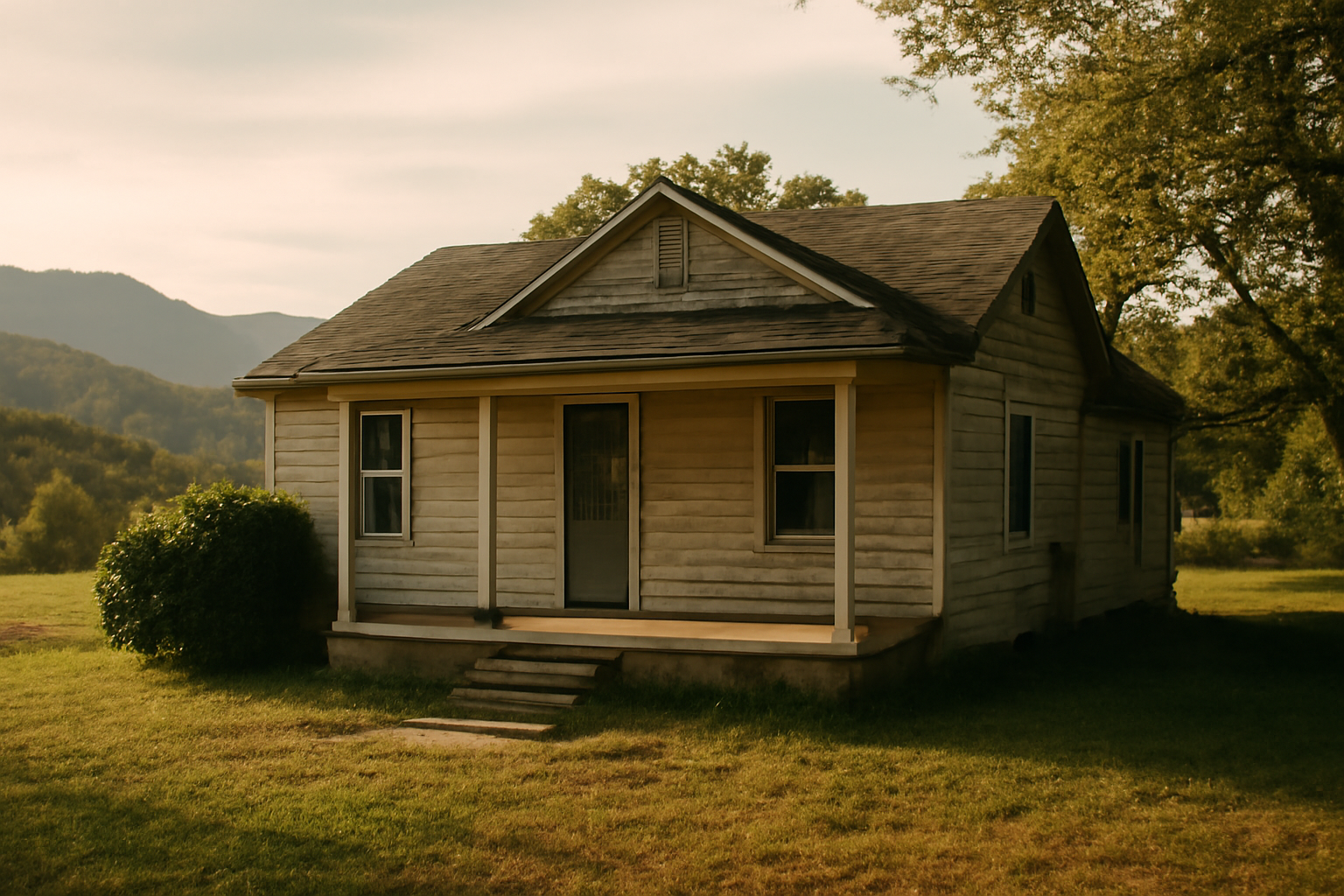
Learn a disciplined process for underwriting fixer-upper properties in Maryville and the Lakeway region before placing an offer.
Evaluating a distressed property or a potential renovation project in East Tennessee requires more than intuition. Whether you are searching for opportunities in Maryville, near the lakes of the Lakeway region, or across Blount and surrounding counties, solid underwriting is the foundation of successful real estate investment.
Underwriting is the systematic process of analyzing a property's physical condition, market potential, and financial viability before submitting an offer. Skimping on this phase can lead to unexpected expenses that quickly erode projected margins. Below is a step-by-step framework for underwriting a fixer-upper in our local market.
Step 1: Determine the After-Repair Value (ARV)
The After-Repair Value (ARV) represents the estimated fair market value of the property once all planned renovations and upgrades are complete. Establishing an accurate ARV is the most critical step in your analysis.
To calculate ARV effectively:
- Analyze Comparable Sales: Examine properties sold within recent months located in the immediate geographic sub-market.
- Match Property Characteristics: Select comps with similar square footage, layout, room counts, and overall site features.
- Evaluate Finish Levels: Observe the finish standards of recently renovated sales nearby. Modern updates to kitchens, baths, and flooring should align with current market expectations for that specific pocket of Maryville or neighboring communities.
- Adjust for Topography: In East Tennessee, site terrain plays a significant role in value. A flat, clear lot often carries different appeal than a steeply sloped lot with complex driveway navigation.
Step 2: Build a Detailed Scope of Work (SOW)
Once you establish the ARV, determine the exact physical repairs required to reach that market condition. Walking the property with a detailed checklist helps ensure major operational systems are not overlooked.
Key region-specific items to inspect include:
Foundations and Drainage
East Tennessee soils contain heavy clay, which retains moisture and expands or contracts based on seasonal rainfall. Inspect crawlspaces and basements for signs of moisture intrusion, standing water, efflorescence, or structural movement. Proper grading, gutter extension, or internal drainage solutions should be included in your budget if water mitigation is necessary.
Heating, Ventilation, and Air Conditioning (HVAC)
Our region experiences high summer humidity alongside cooler winter months. An inefficient or non-functional HVAC system requires prompt replacement to maintain interior environmental control during construction. Check system age, ductwork condition, and heating supply sources.
Roof and Building Envelope
Inspect the roof decking, shingle integrity, flashing, and soffits. Rain and seasonal wind patterns can cause deterioration over time. Check exterior wood trim and siding for moisture damage, particularly near ground levels or uncleaned drainage paths.
Private Utilities
In semi-rural portions of Maryville and the broader Lakeway region, properties may utilize private septic systems and water wells instead of public utility connections. Always account for testing well yield and water clarity, as well as obtaining a septic tank evaluation. Modifying or replacing these components requires dedicated line items in your scope of work.
Step 3: Account for Soft Costs and Holding Expenses
Underwriting encompasses more than hard physical construction costs. Soft costs accrue continuously while you hold the property and must be built into your financial model:
- Holding Expenses: Account for ongoing property taxes, utility bills (electricity, water, trash disposal), builder's risk insurance policies, and ongoing debt service during construction and sales periods.
- Permits and Inspections: Verify municipal permit guidelines for structural, plumbing, electrical, or mechanical alterations in Blount County or local city jurisdictions.
- Transaction Costs: Include closing costs for both the initial purchase and the eventual sale of the completed home, including title fees, recording taxes, and brokerage services.
Step 4: Calculate the Maximum Allowable Offer (MAO)
To establish your purchase ceiling, use a structured financial formula that preserves your minimum profit requirements:
`Maximum Allowable Offer = ARV - Rehab Costs - Holding & Soft Costs - Target Profit Margin - Contingency Reserve`
Maintaining a Contingency Reserve
Unplanned repairs frequently surface once walls are opened or flooring is removed. Incorporate a dedicated contingency reserve—typically between 10% and 20% of your total estimated renovation budget—to shield your net return from unforeseen physical repairs.
Step 5: Validate Your Exit Strategies
A thorough underwriting model evaluates both primary and backup exit strategies:
- Fix-and-Flip Strategy: Reselling the property immediately following completion. Success relies on accurate localized days-on-market data and prevailing buyer demand.
- Buy-and-Hold Strategy (BRRRR): Retaining the renovated asset as a long-term rental property. Analyze prevailing lease rates in the area, property management overhead, ongoing capital expenditure reserves, and long-term financing requirements.
Note: Real estate underwriting models involve financial assumptions. Always consult with a licensed CPA, tax professional, or legal counsel regarding tax liabilities, financing options, and legal entity structuring.
Partner with Local Real Estate Experts
Disciplined underwriting requires reliable market data and practical local knowledge. At Spring Mountain Realty PLLC, we assist real estate investors in analyzing sales trends, evaluating potential acquisition inventory, and understanding property nuances throughout Maryville and the Lakeway region. Contact our team today for personalized market guidance.
Want the listings that match this article?
We'll email you when new East Tennessee inventory hits our four MLS feeds — lake frontage, acreage, cabins, or whatever you're watching. No phone call required.