
How to Underwrite a Fixer-Upper in East Tennessee
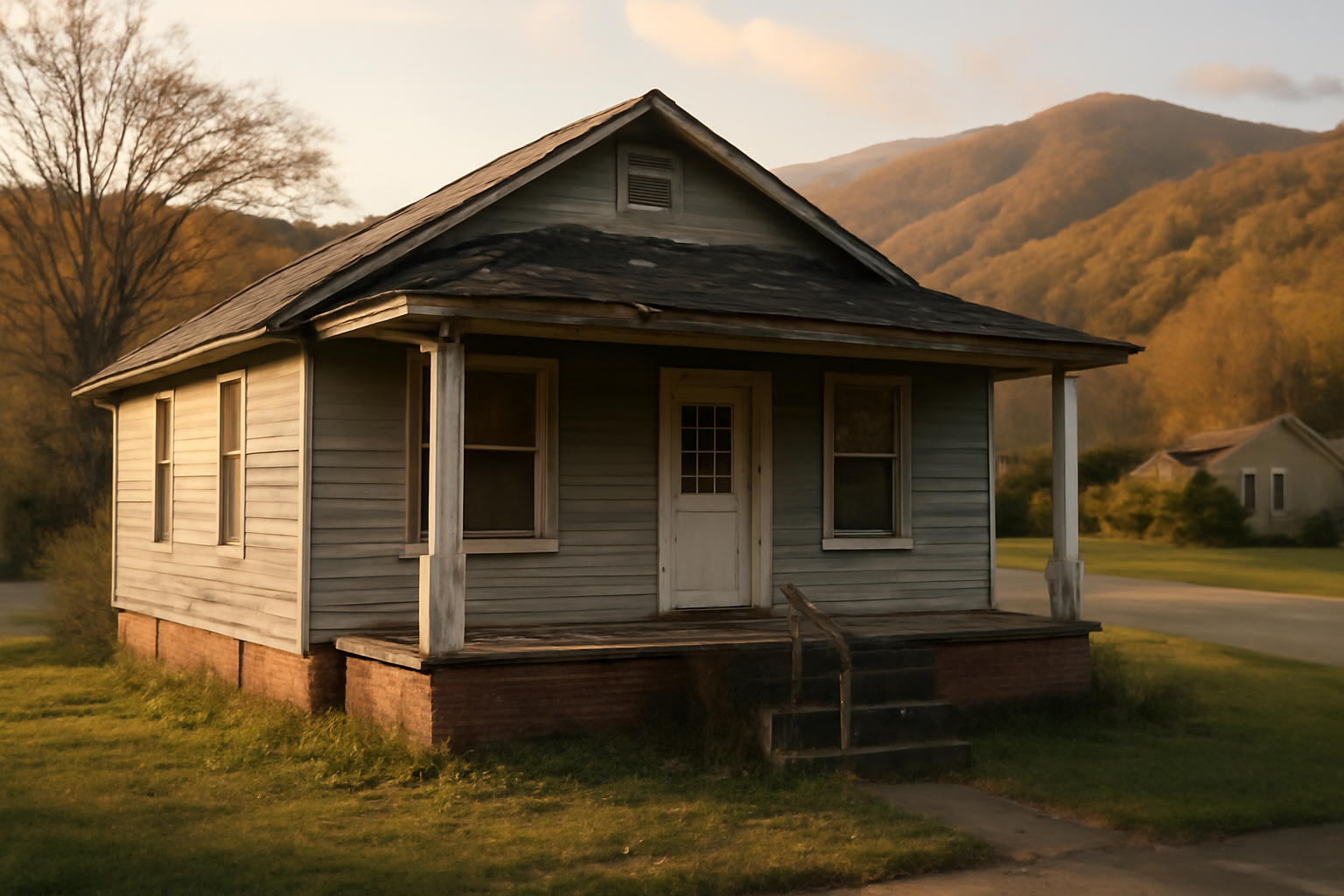
Master the underwriting process for fixer-upper homes in Kingsport and the Lakeway region. Learn how to accurately estimate ARV, repair budgets, and regional risk factors.
Underwriting Fixer-Upper Properties in East Tennessee
Acquiring a distressed or outdated residential property presents a viable avenue for real estate investors aiming to build equity or generate long-term cash flow. However, the profitability of a renovation project is largely determined before the acquisition contract is ever signed. Precise, objective underwriting is essential to managing risks and securing expected returns.
Evaluating potential property investments across Kingsport and the broader Lakeway region requires balancing standard financial formulas with local market dynamics. From mid-century brick ranches in urban pockets to rural homes near Cherokee or Douglas Lake, here is a structured approach to underwriting a fixer-upper before making an offer.
---
Step 1: Establish an Accurate After Repair Value (ARV)
The After Repair Value (ARV) represents the estimated market value of the property once all planned renovations are completed. Establishing an accurate ARV forms the baseline for all subsequent financial calculations.
Analyzing Local Comparable Sales
To determine ARV, analyze recent sales of fully renovated homes within close proximity to the subject property:
- Geographic Proximity: In established areas like Kingsport, restrict your comparable search to a tight radius—ideally within one mile or within the same subdivision. In more rural parts of the Lakeway region, expand the radius as needed while maintaining similar neighborhood characteristics.
- Timeframe: Focus on properties sold within the last three to six months to reflect current buyer demand and pricing trends.
- Property Features: Match key structural attributes, including above-grade square footage, total room count, layout style (e.g., single-level ranch vs. split-level), garage capacity, and lot topography.
- Finish Level: Compare your target property against homes finished to the level of quality you intend to deliver. Avoid using high-end custom remodels as comparables if your scope involves builder-grade materials.
---
Step 2: Develop a Comprehensive Scope of Work and Cost Budget
Underestimating renovation costs is one of the most common pitfalls in real estate investment. A thorough site assessment must precede any formal purchase offer.
Core Structural and Systems Assessment
Before allocating funds to aesthetic upgrades such as cabinetry or flooring, evaluate primary structural and mechanical systems:
- Roofing and Structure: Inspect roof age, decking, trusses, and load-bearing walls.
- HVAC Systems: Assess the operational status and remaining lifespan of heating and cooling units.
- Plumbing and Electrical: Look for outdated wiring materials (such as knob-and-tube or aluminum) and older plumbing piping (such as galvanized steel or polybutylene).
- Basements and Crawlspaces: Moisture issues are common in East Tennessee due to local soil conditions and precipitation levels. Look for signs of water intrusion, mold, efflorescence, or structural settling.
Building a Renovation Contingency
Unforeseen issues frequently arise once walls are opened or ground is broken. Always incorporate a contingency buffer into your repair budget:
- Standard Cosmetic Remodels: Include a 10% to 15% contingency.
- Major Structural or Gut Renovations: Include a 15% to 20% contingency.
---
Step 3: Account for Carrying, Transaction, and Financing Expenses
The total cost of a project extends beyond the initial purchase price and repair estimates. Holding and transaction costs must be factored into your financial model.
Carrying Costs
Carrying costs accumulate every day you own the property until it is resold or rented:
- Property Taxes: Verify current local property tax rates through county municipal records.
- Insurance: Account for specialized coverage, such as a vacant home policy or builder's risk policy during construction.
- Utilities: Budget for electricity, water, sewer, and trash services required during the renovation period.
- Financing Fees: Include anticipated interest expenses, origination fees, and loan service costs based on your specific capital structure.
Transaction and Closing Costs
Account for costs incurred at both acquisition and disposition:
- Purchase Closing Costs: Title insurance, escrow fees, transfer taxes, and recording fees.
- Disposition Costs: Listing agent commissions, buyer agent commissions, seller concessions, and closing fees upon resale.
---
Step 4: Apply the Maximum Allowable Offer (MAO) Formula
Once you have derived the ARV, total repair budget, carrying costs, and transaction fees, you can calculate your Maximum Allowable Offer (MAO).
A widely used baseline is the 70% Rule, which suggests offering no more than 70% of the ARV minus total repair costs:
$$\text{MAO} = (\text{ARV} \times 0.70) - \text{Estimated Repair Costs}$$
While the 70% guideline offers a quick screening tool, detailed underwriting requires tailored adjustments based on your targeted rate of return, project complexity, and holding duration. Always verify your figures against a complete line-item spreadsheet rather than relying solely on high-level formulas.
---
Regional Nuances in Kingsport and the Lakeway Region
Investors working in East Tennessee should pay attention to several hyper-local physical and regulatory conditions:
Topography and Site Drainage
Properties situated on steep hillsides or at the base of slopes may require specialized grading, French drains, or retaining wall adjustments to protect foundations from surface runoff.
Utilities: Sewer vs. Septic Systems
While homes within Kingsport city limits are typically connected to municipal sewer services, many properties in rural pockets or near surrounding lakes utilize private septic systems. When evaluating a property with a septic system:
- Verify the permitted bedroom capacity with county health records.
- Schedule a professional septic tank pumping and inspection prior to waiving contingencies.
- Confirm whether soil conditions permit repair or expansion if the system is damaged.
Local Building Codes and Permitting
Renovation work involving structural changes, electrical panel upgrades, plumbing rerouting, or HVAC replacement generally requires permits from local municipal or county building departments. Ensure your project timeline accommodates review cycles and required field inspections.
---
Finalizing Your Investment Analysis
Rigorous underwriting eliminates guesswork and protects capital. Before submitting a purchase agreement, review all financial assumptions with licensed professionals, including tax advisors, legal counsel, and general contractors, to confirm project feasibility.
For real estate market data, comparable sales analyses, and local property insights across Kingsport and the Lakeway region, contact the team at Spring Mountain Realty PLLC to assist with your investment strategy.
Want the listings that match this article?
We'll email you when new East Tennessee inventory hits our four MLS feeds — lake frontage, acreage, cabins, or whatever you're watching. No phone call required.