
Estimating Repair Costs: A Guide for East TN Investors
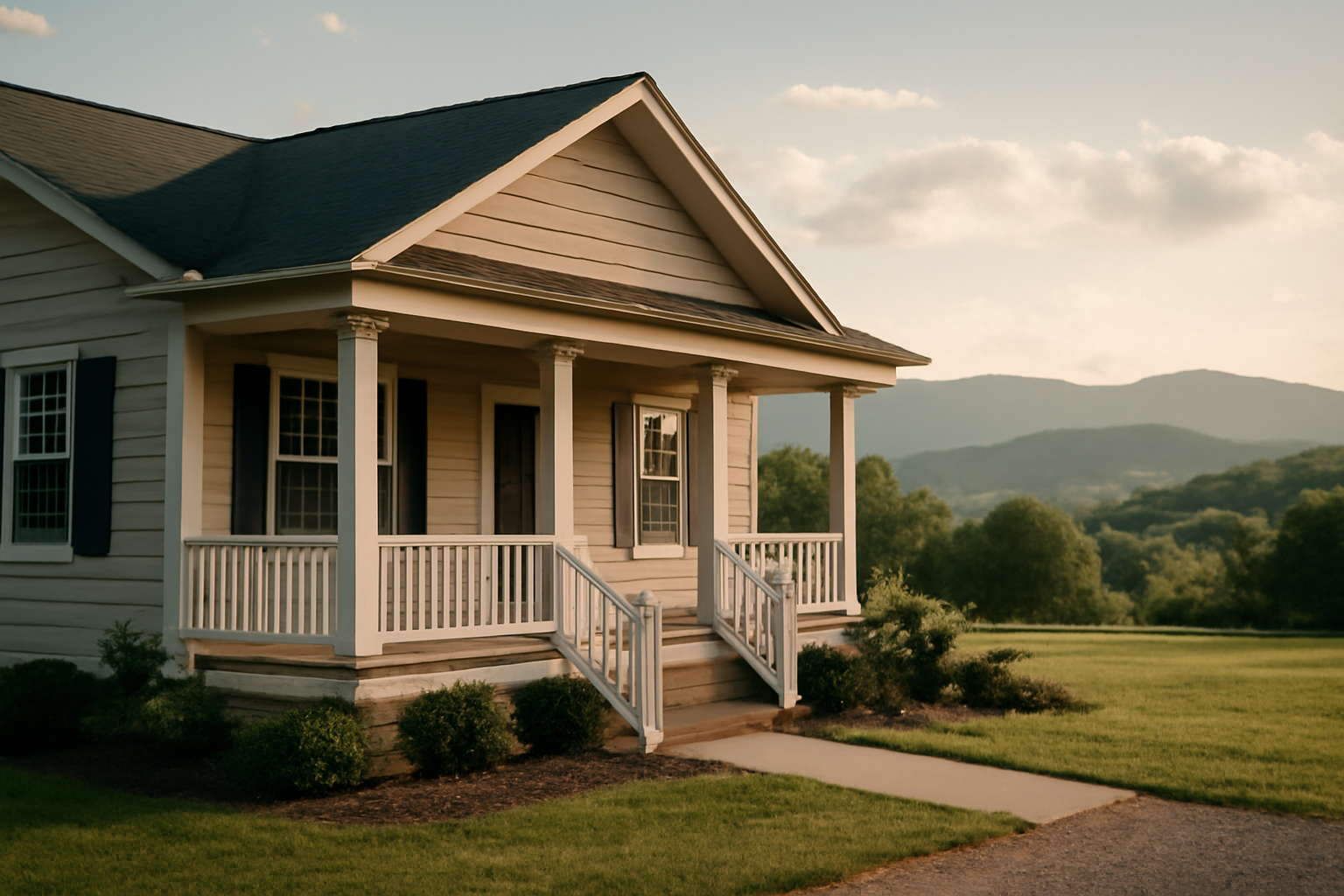
Learn how to accurately evaluate rehab costs and avoid common budget pitfalls when investing in Bean Station and the East Tennessee Lakeway region.
The High Cost of Guessing in East Tennessee Rehabs
For real estate investors targeting Bean Station, Morristown, and the broader Lakeway region of East Tennessee, profitability depends heavily on the accuracy of pre-acquisition cost estimates. Underestimating a renovation budget can eliminate projected margins, stall projects, and tie up capital far longer than anticipated.
While inexperienced buyers often rely on broad square-foot rules of thumb or quick visual walkthroughs, seasoned investors use a systematic evaluation framework. Regional construction norms, rural utility infrastructure, and East Tennessee's unique terrain require a structured approach to repair estimation. Here is how to eliminate guesswork from your rehab budget before making an offer.
---
Key Regional Factors Influencing Repair Costs in the Lakeway Region
Properties in Grainger, Hamblen, and Jefferson counties often present structural and mechanical variables distinct from suburban, master-planned developments. Identifying these localized factors early prevents major budget overruns.
Steep Topography and Foundation Dynamics
The rolling hills and lakefront topography surrounding Cherokee Lake create beautiful settings, but they also present specific structural considerations. Homes built on slopes require careful inspection of retaining walls, foundation piers, crawl spaces, and surface drainage.
- Crawl Spaces: Many area homes feature full or partial crawl spaces. Check for standing water, inadequate vapor barriers, dry rot in floor joists, and structural sagging. Remediation—such as encapsulation, sump pump installation, or sistering joists—can quickly add thousands to a rehab budget.
- Drainage: Inadequate gutters or poor grading on sloped lots can direct rainwater straight into foundation walls. Factoring in French drains or regrading is essential during the initial site evaluation.
Rural Utilities: Septic and Well Systems
Outside municipal boundaries in areas like Bean Station, properties frequently rely on private septic systems and water wells. Never assume a rural utility system is fully operational without testing.
- Septic Systems: A standard home inspection rarely covers a thorough septic evaluation. Pumping the tank, inspecting the distribution box, and verifying the condition of the drain field should be explicit line items in your diligence plan.
- Well Equipment: Test well pumps, pressure tanks, and water quality. Replacing a sub-surface pump or adding filtration systems to clear sediment or hardness requires line-item allocation.
Heating and Cooling Systems
East Tennessee experiences four distinct seasons, placing steady demand on HVAC units. Heat pumps are the standard heating and cooling solution across the region. Check the age, refrigerant type, and physical condition of the compressor unit and air handler. Outdated units using phased-out refrigerants generally require full replacement rather than simple servicing.
---
Building a Systematic Scope of Work (SOW)
To estimate repair costs accurately, break down the property into three clear categories: exterior shell, major mechanical systems, and interior finishes.
1. The Exterior Shell
Start with structural integrity and weatherproofing. Deficiencies here must be resolved before investing in cosmetic interior updates.
- Roofing: Inspect roof pitch, architectural shingles, decking condition, and flashing around chimneys. Determine if a simple overlay is possible or if a complete tear-off is required.
- Siding and Trim: Evaluate wood, vinyl, or masonry siding for rot, pest damage, or loose panels.
- Windows and Exterior Doors: Older single-pane windows allow significant thermal loss. Factor in complete frame replacements if wood frames show water damage.
2. Mechanical, Electrical, and Plumbing (MEP)
Mechanical systems represent a significant portion of capital expenditures. Avoid assuming working systems are modern systems.
- Electrical: Verify panel amperage (100-amp vs. 200-amp service) and wiring type. Older properties may still contain ungrounded wiring or outdated breaker panels that require immediate upgrading to meet current safety standards.
- Plumbing: Check supply line materials (galvanized steel, polybutylene, copper, or PEX) and waste lines (cast iron vs. PVC). Look for pressure drops when running multiple fixtures simultaneously.
3. Interior Finishes
Cosmetics are typically the easiest costs to estimate, but they can accumulate rapidly across large footprints.
- Kitchens & Bathrooms: Determine whether existing cabinetry can be refinished or if full teardowns are required. Include costs for subfloor repairs under wet areas.
- Flooring: Calculate exact square footage for tear-out and installation of durable materials like luxury vinyl plank (LVP), which performs well across residential rental portfolios.
- Drywall & Paint: Identify water stains, structural settling cracks, or heavy texture that requires skimming.
---
Applying Reliable Cost Estimation Methods
Once your Scope of Work is defined, transition from general estimates to verified numbers using reliable data sources.
Utilize Unit-Cost Line Items
Rather than estimating whole rooms, assign costs per linear foot, square foot, or individual trade component. Maintain a localized spreadsheet tracking regional material prices and labor rates for common tasks, such as:
- Cost per square foot for interior paint (labor + materials)
- Cost per linear foot for seamless gutters
- Cost per square foot for LVP flooring installation
- Standard unit replacement costs for water heaters and heat pumps
Build Relationships with Local Trades
Establish standard pricing agreements with licensed sub-contractors (plumbers, electricians, HVAC technicians) in the Lakeway area. Bringing a trusted trade professional to walk candidate properties during your inspection period provides precise, actionable quotes.
Maintain a Rigorous Contingency Reserve
Unforeseen issues are inevitable in residential rehabs. Always include a dedicated contingency reserve within your total repair budget:
- Standard Cosmetics: 10% to 12% contingency
- Full Gut / Older Homes: 15% to 20% contingency
---
Professional Guidance and Next Steps
Accurate repair estimation is an essential risk management tool for real estate investors. Always consult with licensed general contractors for detailed bids, and consult with legal and financial advisors regarding your specific investment structures and tax strategies.
If you are searching for investment properties or seeking market data across Bean Station, Morristown, and the surrounding East Tennessee region, connect with Spring Mountain Realty PLLC. Our team provides local expertise to help you identify prospective acquisition targets that align with your portfolio goals.
Want the listings that match this article?
We'll email you when new East Tennessee inventory hits our four MLS feeds — lake frontage, acreage, cabins, or whatever you're watching. No phone call required.